The landscape of digital entertainment is undergoing a radical transformation, influenced by technological advancements, shifting consumer preferences, and an increasing demand for personalized experiences. As we look ahead, it is crucial to understand the trends that are defining this evolution and how they may reshape our interactions with content.
From streaming services to immersive experiences, the future promises to be dynamic and engaging, ushering in a new era of entertainment.
Streaming Services Dominating the Market
Over the last decade, streaming services such as Netflix, Hulu, and Disney+ have dramatically changed how audiences consume content. According to recent statistics, the global video streaming market is projected to reach a staggering USD 223 billion by 2028, growing at a compound annual growth rate of 21 percent. This surge indicates that traditional cable TV is losing ground, as consumers increasingly prefer on-demand and personalized viewing options.
The Rise of Interactive and Immersive Media
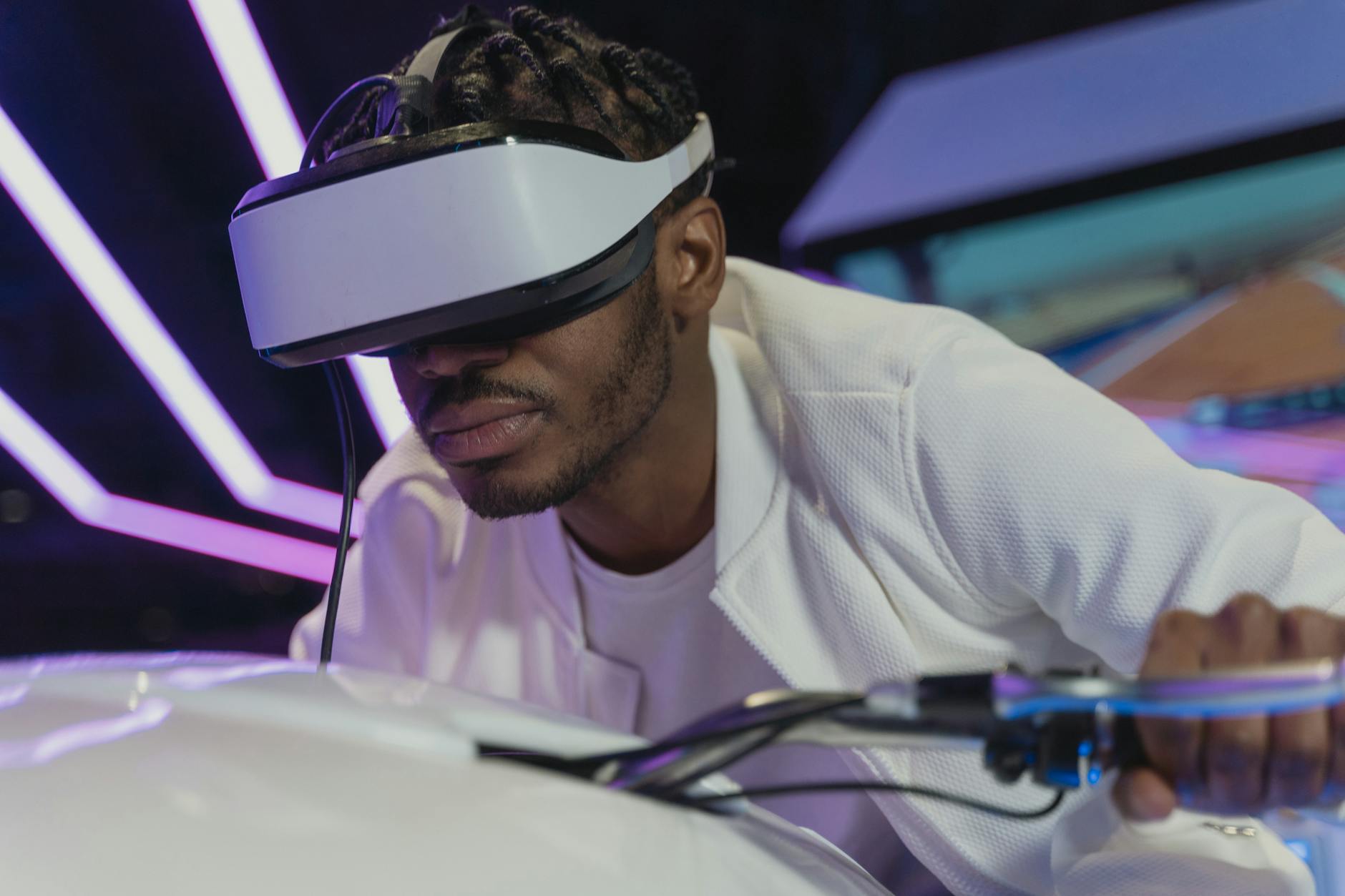
Immersive technologies like virtual reality (VR) and augmented reality (AR) are also set to play a pivotal role in the future of digital entertainment. Companies like Oculus and Sony are pushing the boundaries of how users engage with content. For example, VR games allow players to step into entirely new worlds, while AR applications provide interactive experiences that blend digital content with the real world. These technologies not only enhance entertainment value but also create opportunities for storytelling that were previously unimaginable.
Personalization Through AI and Data Analytics
Artificial intelligence and machine learning are revolutionizing content recommendation systems, enabling platforms to offer highly personalized experiences. By analyzing user behavior and preferences, algorithms can suggest movies and shows that cater to individual tastes. This level of personalization not only boosts user satisfaction but also increases engagement rates. For instance, Netflix’s recommendation system is credited with saving the company over USD 1 billion a year in customer retention costs.
Social Media’s Role in Content Creation and Sharing
Social media platforms have become essential for content creation and distribution, allowing creators to reach audiences directly. Platforms like TikTok and Instagram are not just for sharing snippets; they have become breeding grounds for viral content and new genres of entertainment. According to a recent survey, over 50 percent of Gen Z consumers prefer to discover new music through social media rather than traditional radio. This trend highlights the shifting dynamics in content promotion and consumption.
The Implications of Blockchain Technology
Blockchain technology is emerging as a game-changer in digital entertainment, offering solutions for copyright issues and fair compensation for creators. By enabling transparent and secure transactions, blockchain can help artists receive royalties directly from consumers, bypassing traditional distribution models. Additionally, the rise of non-fungible tokens (NFTs) is redefining ownership in the digital space, allowing fans to own unique pieces of digital art or memorabilia from their favorite entertainment franchises.
Conclusion
The future of digital entertainment is not just about technological advancements but also about understanding the evolving desires of consumers. As streaming services grow, immersive experiences take hold, and personalization becomes the norm, the industry must adapt to ensure relevance and engagement. By embracing these trends, content creators and platforms can navigate the complexities of this changing landscape and continue to captivate audiences worldwide.