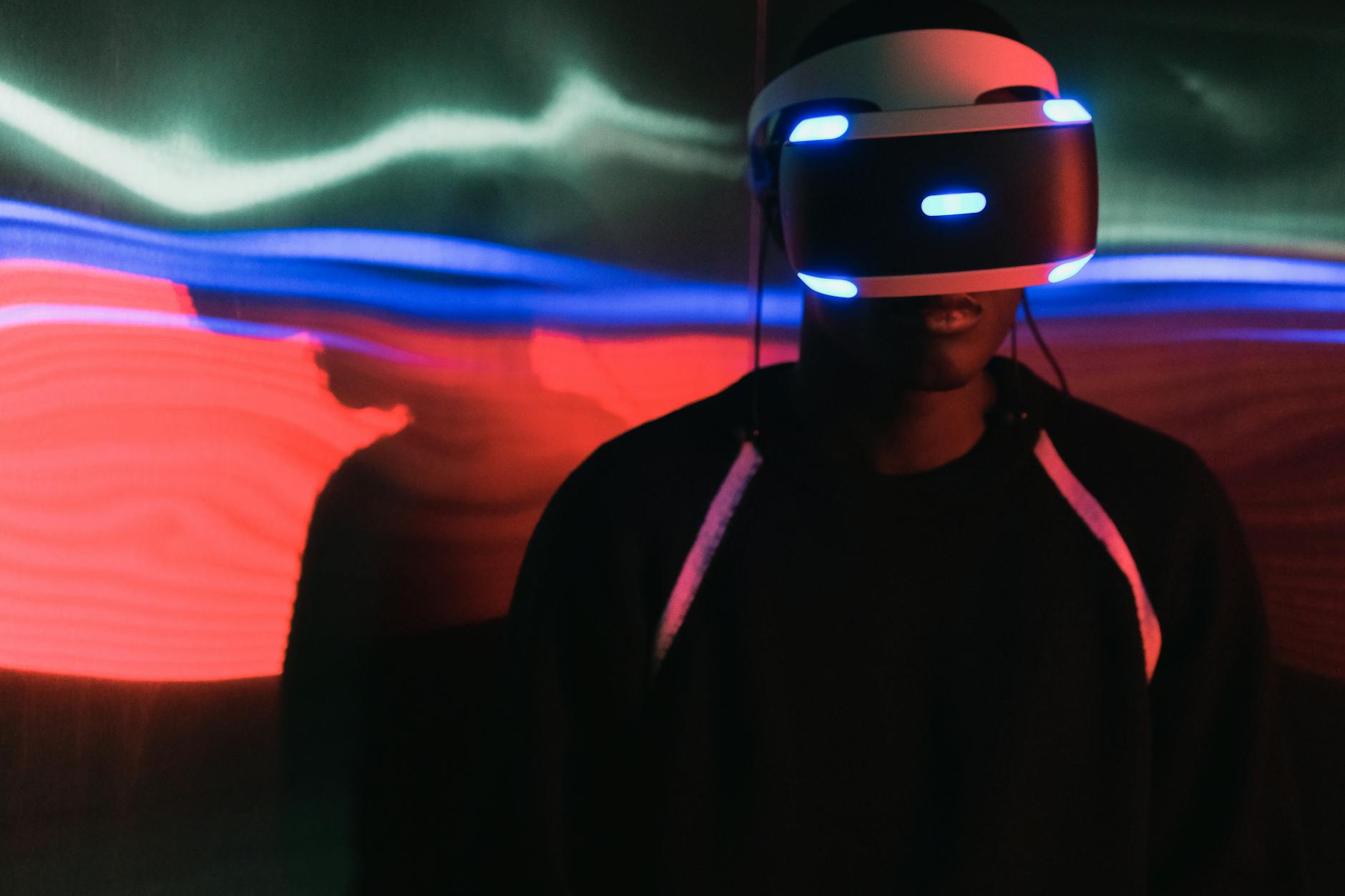
The landscape of digital entertainment is undergoing rapid transformation, driven by advancements in technology and changing consumer preferences. As we look to the future, several trends are emerging that promise to reshape how we consume and engage with entertainment content. From immersive experiences created through virtual reality to the rise of on-demand services, understanding these shifts can provide valuable insights into where the industry is headed.
In recent years, the integration of artificial intelligence has begun to play a pivotal role in content creation and curation. AI algorithms now analyze viewer preferences and behaviors to recommend personalized content, enhancing user engagement. For instance, platforms like Netflix utilize sophisticated AI systems to analyze data from millions of users, allowing them to tailor recommendations that keep viewers coming back. This capability not only enhances user satisfaction but also contributes to improved retention rates for streaming services.
Immersive Experiences with Virtual Reality
Virtual reality (VR) has transitioned from niche technology to a mainstream entertainment medium. Companies like Oculus and HTC are pushing boundaries with VR gaming that immerses players in interactive worlds. In the future, we can expect VR experiences to expand beyond gaming to include virtual concerts, cinematic experiences, and social interactions. For example, platforms such as VRChat are already enabling users to meet and interact in virtual spaces, hinting at a future where social gatherings might blend seamlessly with the digital realm.
The Rise of Subscription-Based Models
Subscription-based models have become a dominant force in digital entertainment, with services like Disney+, Hulu, and Amazon Prime Video leading the charge. This shift reflects a broader trend in consumer habits, where users prefer to pay a monthly fee for access to extensive libraries over traditional pay-per-view models. According to a recent report, the global video streaming market is expected to reach $184.27 billion by 2027, highlighting the financial viability of this trend. However, as competition intensifies, platforms must continually innovate to retain subscribers, which could lead to unique content offerings and collaborations.
Augmented Reality and Interactive Storytelling
Augmented reality (AR) is another frontier in the evolution of digital entertainment. Unlike VR, which immerses users in a completely virtual environment, AR overlays digital information onto the real world. This technology has significant implications for storytelling, allowing for interactive narratives that engage users in unprecedented ways. Games like Pokémon GO have demonstrated the potential of AR to create engaging experiences that encourage exploration and interaction with one’s surroundings, thus redefining how stories can be told and experienced.
Social Engagement and User-Generated Content
The future of digital entertainment will likely see an increased emphasis on social engagement. Platforms like TikTok and YouTube have popularized user-generated content, fostering a culture where audiences are not just passive consumers but active participants. This shift is creating new opportunities for creators to monetize their content and engage with their fan base directly. Furthermore, as technologies such as blockchain gain traction, creators may benefit from greater control and ownership over their work, potentially reshaping content distribution models.
Conclusion: An Exciting Future Ahead
As we move forward, the intersection of technology and creativity will continue to redefine digital entertainment. From personalized viewing experiences driven by AI to immersive worlds facilitated by VR and AR, the possibilities are boundless. Understanding these trends not only prepares us for the future but also offers a glimpse into a world where entertainment is more interactive, personalized, and engaging than ever before.