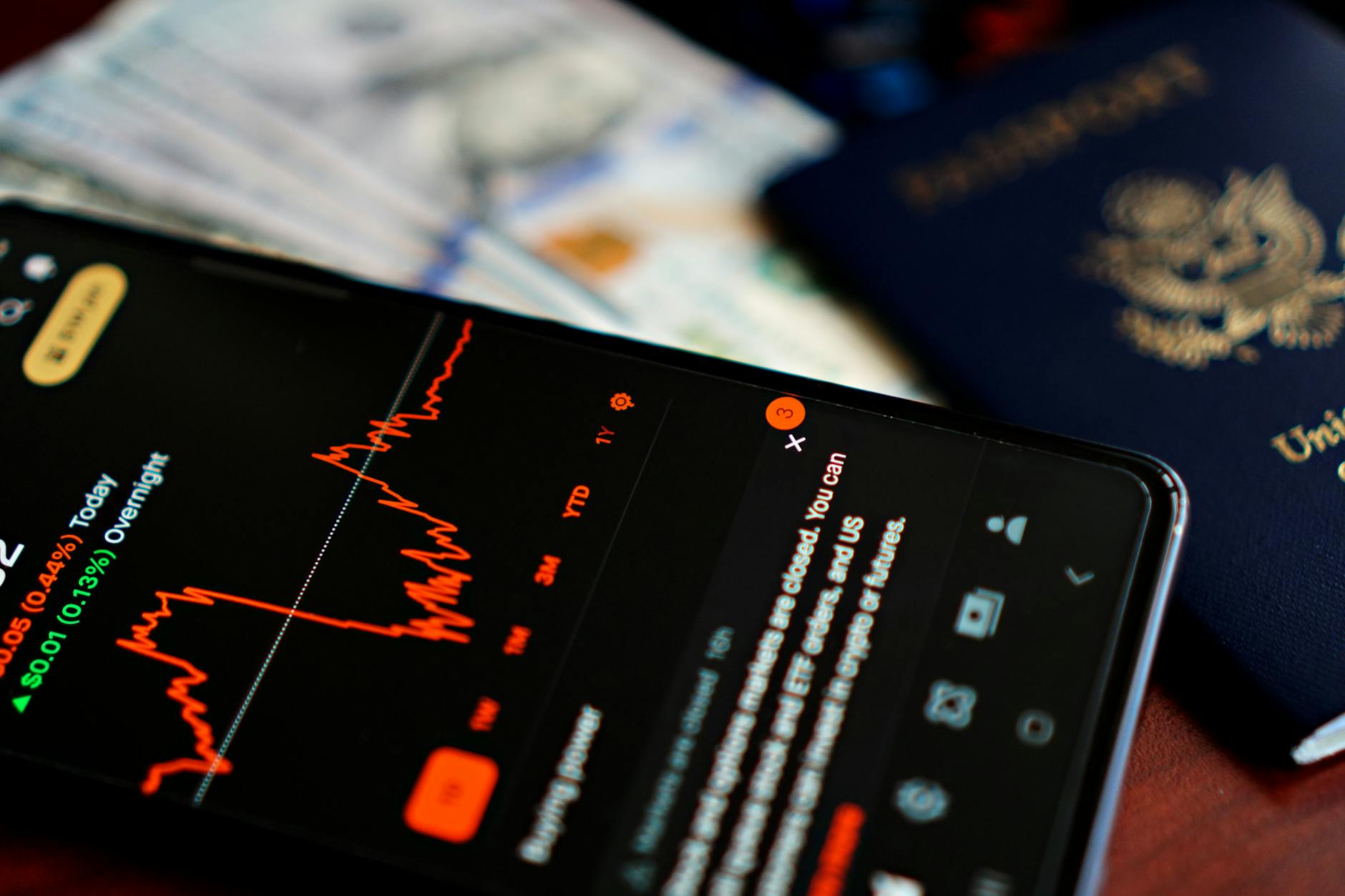
The digital economy is undergoing rapid transformation, fueled by advancements in technology and shifts in consumer behavior. As businesses adapt to a post-pandemic landscape, understanding the emerging trends is essential for staying competitive. Key developments in areas such as artificial intelligence, e-commerce, and data privacy are reshaping how companies operate and engage with customers.
In 2024, we expect these trends to intensify, presenting both challenges and opportunities for organizations worldwide. This article delves into some of the most significant global digital economy trends that are likely to define the coming years.
Rise of Artificial Intelligence
Artificial intelligence continues to evolve and integrate into various sectors, from healthcare to finance. According to a report by PwC, AI could contribute up to $15.7 trillion to the global economy by 2030. Companies are increasingly adopting AI technologies to enhance productivity, improve customer service, and drive innovation. For instance, AI-driven chatbots are becoming ubiquitous in customer support, allowing businesses to provide 24/7 assistance while reducing operational costs.
Accelerated E-commerce Growth
The pandemic accelerated the shift to online shopping, and this trend shows no signs of slowing down. In 2023, global e-commerce sales are projected to surpass $6 trillion, with a continued rise expected. Retailers are investing in omnichannel strategies, integrating physical and digital shopping experiences. For example, companies like Amazon are leveraging advanced logistics systems to ensure fast delivery, enhancing customer satisfaction and loyalty.
Data Privacy and Security Focus
As digital transactions increase, so do concerns about data privacy and security. Governments around the world are enacting stricter regulations, such as the General Data Protection Regulation (GDPR) in Europe. Businesses must prioritize data protection and transparency to maintain consumer trust. A survey by Cisco revealed that 84% of consumers care about data privacy, emphasizing the need for companies to adopt robust cybersecurity measures.
Expansion of Remote Work Solutions
The rise of remote work has transformed workplace dynamics, prompting companies to invest in digital collaboration tools. A Gartner survey indicated that 47% of organizations intend to allow employees to work remotely full-time after the pandemic. This shift has led to an increased demand for platforms like Zoom and Microsoft Teams, which facilitate seamless communication and project management across distributed teams.
Sustainable Digital Practices
As environmental awareness grows, businesses are expected to adopt sustainable digital practices. This includes reducing carbon footprints through energy-efficient data centers and promoting circular economy principles in product design. According to McKinsey, companies that prioritize sustainability can boost their financial performance and enhance brand loyalty among consumers who value eco-friendly practices.
Conclusion
In summary, the global digital economy is on the cusp of significant changes as it adapts to technological advancements and shifting consumer expectations. By embracing these trends, businesses can not only survive but thrive in an increasingly competitive landscape. The key will be to stay informed and agile, ready to seize opportunities that arise in this dynamic environment.