Casinos have long been a focal point of entertainment and social interaction, drawing millions of visitors each year. While often associated with flashy lights and the allure of winning big, the culture surrounding casinos varies significantly across the globe. This article explores these diverse casino cultures, shedding light on the unique traditions, regulations, and player behaviors that define them.
From the opulent casinos of Las Vegas to the historic gaming halls of Monte Carlo, understanding the local customs and regulations can enhance the experience for both novice and seasoned players alike.
The Las Vegas Experience
Las Vegas is perhaps the most famous casino city in the world, known for its extravagant resorts and vibrant nightlife. The Strip features iconic venues like Bellagio and Caesars Palace, where the gaming experience is complemented by world-class entertainment and dining. According to the Nevada Gaming Control Board, as of 2023, Las Vegas generates more than $7 billion annually from gaming alone, highlighting its significance as a tourist destination.
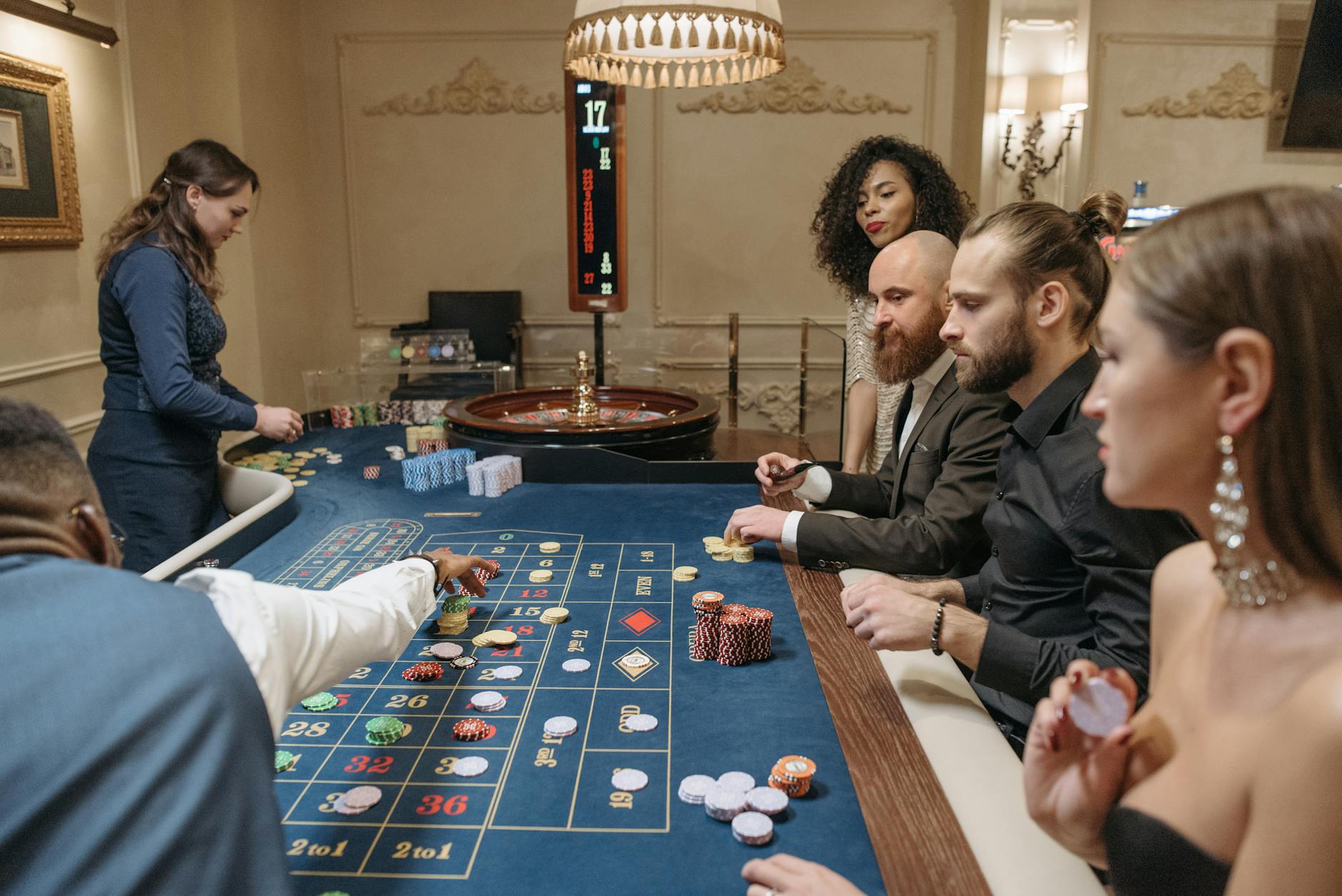
In Las Vegas, players often embrace a party atmosphere, with many opting for table games that encourage interaction, such as blackjack and roulette. However, misconceptions abound; many believe that success in these games relies solely on luck. In reality, understanding the odds and employing strategies can significantly influence outcomes, making informed decisions crucial.
Monte Carlo’s Elegance
In stark contrast to Las Vegas, Monte Carlo exudes a sense of elegance and tradition. The Casino de Monte-Carlo, established in the 19th century, is a symbol of luxury and sophistication. The dress codes are strict, and players often engage in higher-stakes games, attracting a wealthier clientele. Interestingly, the casino operates under a unique model where the profits contribute to the Principality of Monaco’s economy.
Monte Carlo’s casino culture emphasizes decorum; players are expected to conduct themselves with grace. This differs markedly from the more casual vibe in Las Vegas. Here, the strategy is often less about maximizing winnings and more about enjoying the experience, reflecting the values of the region.
Asian Gaming Markets
As the global gaming landscape evolves, Asian markets, particularly Macau, have surged in prominence. Known as the gambling capital of the world, Macau surpassed Las Vegas in gaming revenue in the late 2000s, with 2022 figures indicating earnings around $36 billion. The allure of Macau lies in its blend of traditional Chinese culture with modern gaming facilities.
In Macau, the approach to gambling is deeply influenced by cultural beliefs surrounding luck and fortune. Many players engage in rituals, such as burning incense or using specific numbers believed to be auspicious. Furthermore, the gaming landscape here is highly regulated, with the government taking an active role in managing operations to curb illegal gaming and protect players.
Understanding Player Behavior
Across these varied casino cultures, player behavior is shaped by both local customs and individual motivations. For instance, social gamblers may frequent casinos for the communal experience rather than for monetary gain, while high rollers seek prestige and the thrill of high stakes. Recognizing these differences can enhance interactions within the gaming environment.
Moreover, regional attitudes towards gambling can influence how casinos market themselves. In areas where gambling is viewed with skepticism, casinos might focus on entertainment and lifestyle offerings to attract visitors, rather than solely promoting gambling itself. This adaptability is essential for sustaining interest in an ever-evolving entertainment landscape.
Ultimately, the culture surrounding casinos is complex and multifaceted, with deep-rooted traditions and contemporary influences shaping each unique environment. Understanding the intricacies of these cultures not only enriches the gaming experience but also fosters a deeper appreciation for the traditions that underpin these vibrant hubs of social interaction.