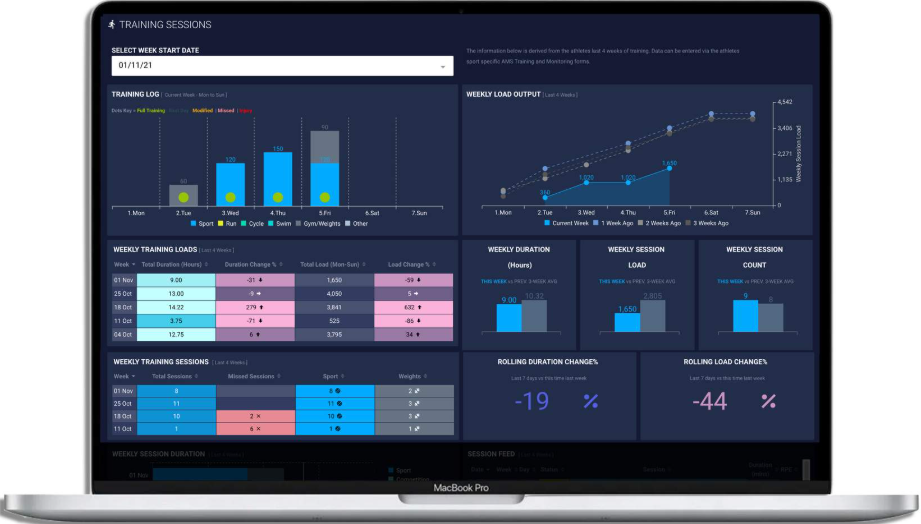
Modern sports analytics is no longer a niche concept reserved for professional teams and statisticians. It has become a core part of how fans understand competition. From football and basketball to baseball and emerging global leagues, data-driven analysis is changing the way people interpret performance, evaluate players, and anticipate outcomes.
I used to watch games based purely on instinct. If a team dominated possession, I assumed they were superior. If a striker scored twice, I considered it a world-class performance. Over time, exposure to advanced sports analytics changed that perspective completely. The scoreboard still matters, but the numbers behind it matter just as much.
What Is Modern Sports Analytics
Modern sports analytics refers to the use of data, statistical modeling, and performance metrics to evaluate teams and players. Instead of focusing only on traditional statistics such as goals, points, or rebounds, analytics examines deeper indicators like expected goals, shot efficiency, player movement, and defensive structure.
For example, expected goals models estimate the probability of a shot resulting in a goal based on location, angle, defensive pressure, and historical patterns. In basketball, true shooting percentage measures scoring efficiency by accounting for field goals, three-pointers, and free throws. In baseball, advanced metrics such as on-base plus slugging shifted roster construction strategies across entire leagues.
These analytical tools help explain not just what happened in a game, but why it happened.
How Sports Analytics Is Changing Fan Perspective
One of the biggest shifts caused by modern sports analytics is how fans interpret performance. Instead of reacting emotionally to isolated events, fans increasingly evaluate patterns and efficiency.
When a team loses despite controlling possession, analytics might reveal low-quality shot creation. When a player goes through a scoring slump, deeper data may show strong underlying metrics that suggest improvement is coming.
This shift reduces surface-level narratives and replaces them with context-driven evaluation.
Data availability has also expanded rapidly. Public dashboards, match heat maps, player tracking systems, and advanced statistical breakdowns are widely accessible. Fans now consume information that was once exclusive to coaching staff and performance analysts.
As a result, sports conversations have evolved. Discussions include pressing intensity, defensive compactness, tempo control, and regression trends. The average viewer today engages with the game on a far more strategic level than a decade ago.
The Role of Data in Predictive Analysis
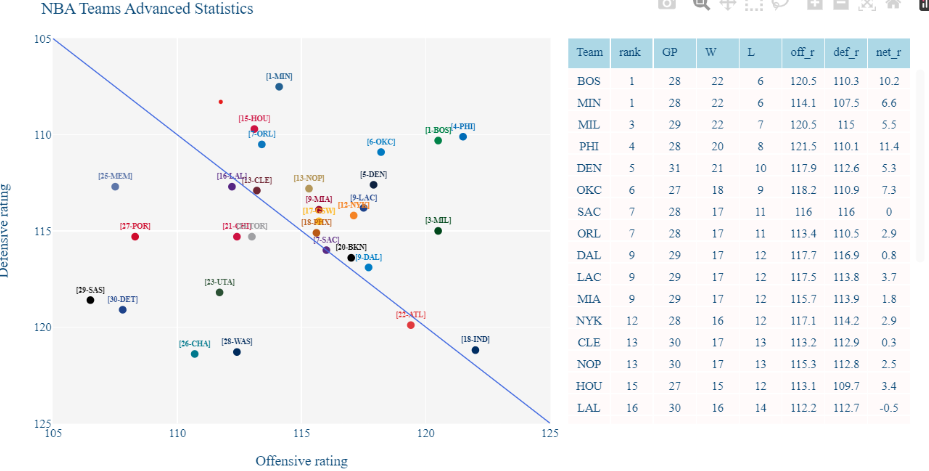
Another important impact of modern sports analytics is predictive insight. While no model guarantees results, probability-based analysis helps identify trends before they fully materialize.
Teams that consistently generate high-quality scoring chances but struggle with finishing often improve over time. Conversely, teams outperforming underlying metrics may experience regression.
Understanding these patterns allows fans to anticipate shifts in momentum rather than being surprised by them.
Research across professional leagues shows that performance data departments have expanded significantly over the last decade. Clubs invest heavily in tracking technology, machine learning models, and performance optimization tools. When organizations rely on analytics for competitive advantage, it is natural for fans to adopt similar frameworks in their own evaluations.
Emotional Engagement Meets Analytical Clarity
A common misconception is that sports analytics removes passion from the game. In reality, it adds clarity without eliminating emotion.
Fans still celebrate dramatic goals and feel frustration after narrow defeats. However, analytics provides a structured explanation for those moments. Instead of labeling a result as purely lucky or unlucky, viewers can assess shot probability, defensive positioning, and tactical adjustments.
This balance between emotional engagement and analytical clarity enhances the viewing experience. The game feels more layered and intellectually engaging.
The Influence of Technology on Fan Intelligence
Technology has accelerated the spread of sports analytics. Real-time data feeds, interactive broadcast graphics, and performance tracking systems are now integrated into live coverage.
Artificial intelligence models are increasingly used to evaluate player workload, injury risk, and tactical efficiency. Wearable tracking devices monitor sprint speed, acceleration, and positioning. These developments influence how teams prepare and how fans interpret player performance.
As technology improves, the gap between professional analysts and informed fans continues to narrow.
Why Modern Sports Analytics Matters for the Future
Sports are becoming more competitive, more global, and more data-driven. Margins between victory and defeat are thinner than ever. In such an environment, relying solely on traditional observation limits understanding.
Modern sports analytics provides a framework for interpreting performance trends, strategic decisions, and probability shifts. It encourages long-term evaluation instead of short-term reaction.
The modern fan is no longer just a spectator. With access to advanced sports analytics tools and data-driven insights, fans increasingly approach games with structured thinking. They still experience the excitement of competition, but they also recognize the measurable systems that shape outcomes beneath the surface. That combination of passion and informed analysis represents a fundamental shift in how sports are consumed and understood.