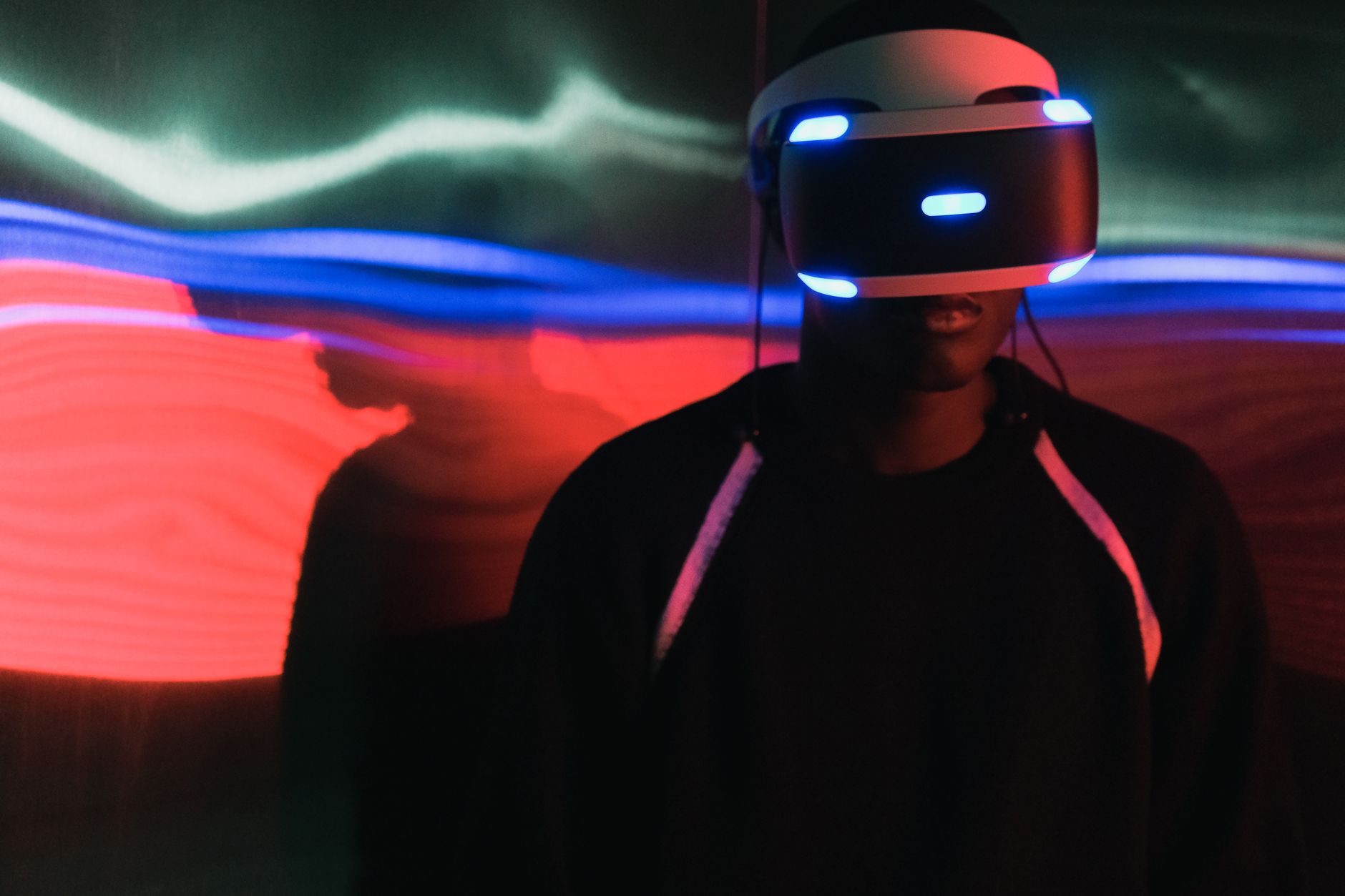
The realm of digital entertainment is evolving rapidly as technological advancements continue to reshape how we consume content. From virtual reality experiences to tailored streaming services, the future is not just about more content but about revolutionary ways to engage audiences. This transformation prompts a re-evaluation of traditional media formats, leading to innovative opportunities for creators and consumers alike.
As we delve into the future of digital entertainment, it is crucial to consider the key trends that are defining this landscape.
Rise of Interactive Content
One of the most significant trends is the rise of interactive content. Platforms like Netflix have experimented with interactive storytelling, such as in “Black Mirror: Bandersnatch,” where viewers can make choices that influence the storyline. This approach not only enhances viewer engagement but also allows for a more personalized experience. According to a report by Deloitte, 40% of consumers indicate a desire for more interactive content in their entertainment options.
Growth of Augmented and Virtual Reality
Augmented reality (AR) and virtual reality (VR) continue to capture the spotlight. Companies like Oculus and PlayStation are pushing boundaries with immersive experiences that allow users to step inside their favorite games or movies. The global AR and VR market is projected to grow to $571 billion by 2025, highlighting the financial potential of these technologies. Beyond gaming, applications are emerging in areas like virtual concerts and interactive museums, creating new cultural experiences.
Personalization through AI
Artificial intelligence is transforming how content is curated and delivered. Streaming services, such as Spotify and YouTube, leverage algorithms to recommend personalized content based on user behavior. This hyper-personalization enhances user satisfaction, encouraging longer engagement times. A study by PwC found that 76% of consumers are more likely to engage with brands that offer personalized experiences.
Decentralized Platforms and Blockchain Technology
Blockchain technology is beginning to influence the digital entertainment industry by enabling decentralized platforms that can offer fair revenue distribution to creators. Platforms like Audius are empowering musicians by allowing them to distribute their music directly to fans without intermediaries. This shift could redefine how artists monetize their work, ensuring they receive a larger share of the profits.
Impact of 5G Technology
The rollout of 5G networks is another game-changer, facilitating faster data transfer and low latency. This technology will enhance the streaming experience, making it possible to enjoy high-definition content without buffering. According to Ericsson, mobile data traffic is expected to increase tenfold by 2025, indicating an insatiable demand for fast and reliable streaming solutions.
Conclusion
The future of digital entertainment is intertwined with technological innovation, providing both challenges and opportunities. As interactive content becomes the norm and personalization takes center stage, creators and consumers must adapt to this new landscape. The integration of AR, VR, AI, blockchain, and 5G will not only enhance the entertainment experience but also redefine the very nature of content itself. As we look ahead, it is clear that the digital entertainment industry is on the brink of a transformative era.