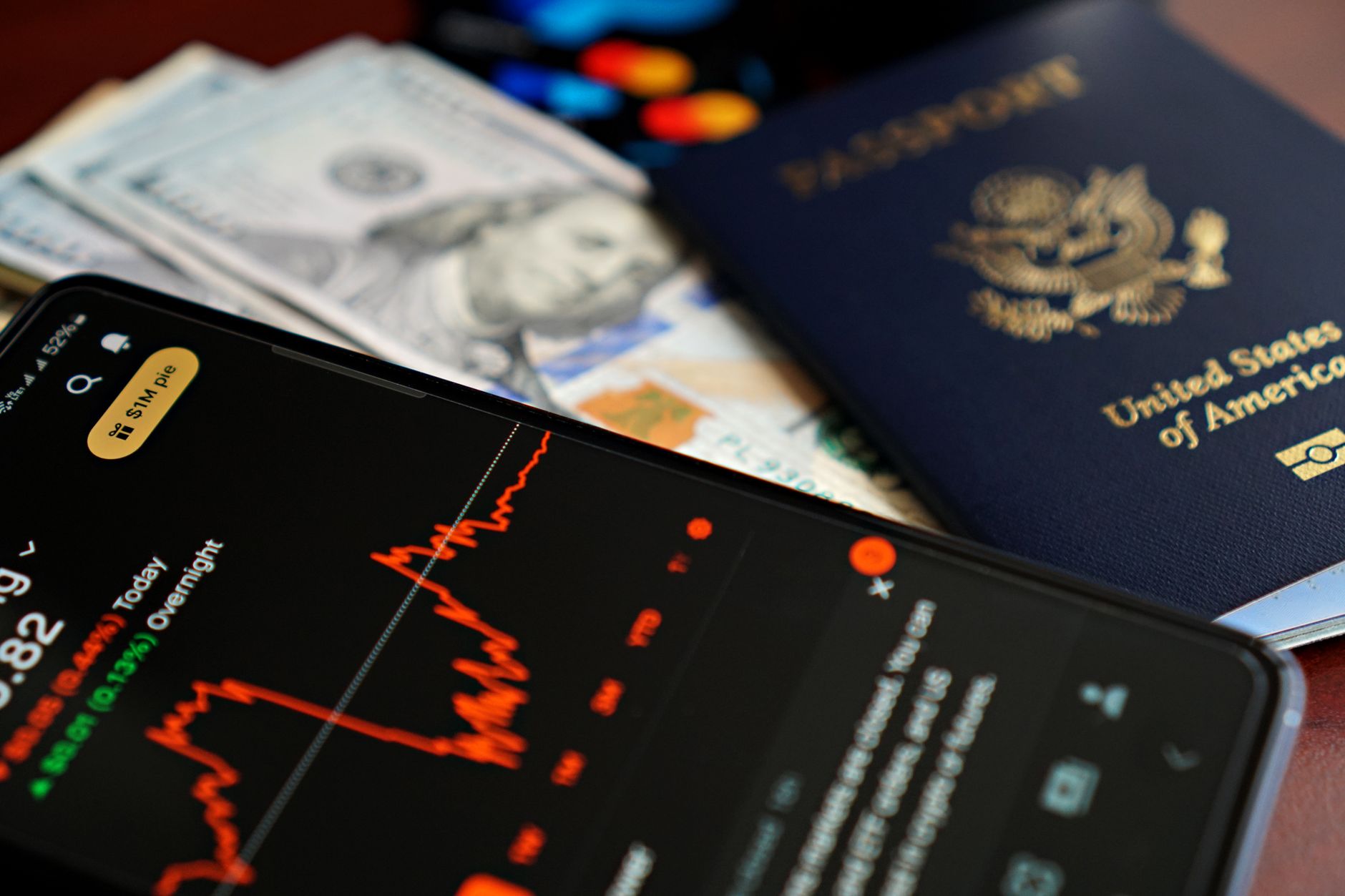
The global digital economy is rapidly evolving, driven by technological advancements and changing consumer behaviors. Businesses across various sectors are adapting to these shifts, finding innovative ways to leverage digital tools and platforms to enhance their operations. Understanding the latest trends in this dynamic landscape is crucial for organizations aiming to maintain a competitive edge.
From the rise of artificial intelligence to the growing importance of sustainability, the digital economy is influenced by factors that go beyond mere technological progress. This article explores ten key trends that are shaping the global digital economy in 2023, providing insights into their implications for businesses and consumers alike.
1. Acceleration of E-commerce
The e-commerce sector has witnessed unprecedented growth, especially following the pandemic. According to eMarketer, global e-commerce sales are expected to surpass $6.4 trillion in 2024, up from $4.9 trillion in 2021. This growth is driven by increased internet penetration, mobile shopping, and the convenience of online transactions, prompting traditional retailers to invest in their digital capabilities.
2. Rise of Artificial Intelligence
Artificial intelligence is revolutionizing various industries by automating processes, enhancing customer experiences, and providing data-driven insights. A McKinsey report states that AI could contribute an additional $13 trillion to the global economy by 2030. Businesses are increasingly integrating AI solutions into their operations, from chatbots in customer service to predictive analytics in supply chain management.
3. Emphasis on Cybersecurity
As digital transactions increase, so does the risk of cyber threats. Businesses must prioritize cybersecurity measures to protect sensitive data and maintain consumer trust. According to Cybersecurity Ventures, global cybersecurity spending is projected to exceed $1 trillion from 2021 to 2025. Investment in robust security frameworks is crucial for safeguarding digital assets.
4. Digital Payment Innovations
Digital payment methods are evolving, with contactless payments and mobile wallets gaining popularity. The World Bank reports that around 1.7 billion people are unbanked, highlighting the potential for digital payment solutions to enhance financial inclusion. Companies like PayPal and Square are leading the charge, offering seamless payment experiences while catering to diverse consumer needs.
5. Expansion of Remote Work
The pandemic has accelerated the adoption of remote work, reshaping how organizations operate. A Gartner survey found that 82% of company leaders intend to allow employees to work remotely at least some of the time. This shift has prompted investments in digital collaboration tools and infrastructure to facilitate effective communication and productivity.
6. Focus on Sustainability
Consumers are increasingly demanding sustainable practices from businesses. A Nielsen report indicates that 73% of global consumers are willing to change their consumption habits to reduce their environmental impact. Companies are adopting eco-friendly practices and utilizing digital platforms to showcase their sustainability efforts, catering to the growing eco-conscious consumer base.
7. Growth of Subscription Models
Subscription-based services are transforming various industries, offering consumers flexibility and convenience. According to a report by Zuora, subscription revenue grew 437% in the past decade. Companies in sectors ranging from streaming services to food delivery are leveraging this model to create steady revenue streams while enhancing customer loyalty.
8. Enhanced Customer Experience through Personalization
Personalization has become a key differentiator in the digital marketplace. Businesses are utilizing data analytics to understand consumer preferences and deliver tailored experiences. Salesforce reports that 76% of consumers expect companies to understand their needs and expectations, making personalization a critical strategy for customer retention.
9. Blockchain Technology Adoption
Blockchain technology is gaining traction across various sectors, offering enhanced security and transparency. A PwC survey found that 45% of organizations are exploring blockchain solutions. From supply chain management to digital identity verification, blockchain has the potential to disrupt traditional business models by enabling decentralized transactions.
10. Integration of Augmented and Virtual Reality
Augmented reality (AR) and virtual reality (VR) are reshaping customer interactions and experiences. The global AR and VR market is projected to reach $209.2 billion by 2022, driven by applications in retail, entertainment, and education. Businesses are leveraging these technologies to create immersive experiences, enhancing engagement and driving sales.
In conclusion, the global digital economy is characterized by rapid changes and innovations. Staying ahead of these trends is essential for businesses aiming to thrive in this competitive landscape. By embracing these developments and adapting strategies accordingly, organizations can better position themselves for future success.